


Cutting Energy Costs
Across the country, local solar is giving communities a way to take control of rising energy bills - turning monthly costs into long-term savings. But too often, outdated utility models stand in the way, prioritizing expensive infrastructure over the lowest-cost solutions. We’re working to change that by holding utilities accountable and scaling solar to deliver real affordability.

What's Driving the Energy Affordability Crisis
Investor-owned utilities earn profits based on how much infrastructure they build - like power plants, transmission lines, and other large-scale projects. The more they spend, the more they make. And the more you pay to fund it. As a result, utility planning often overlooks or undervalues clean, community power, like rooftop solar + storage, that could reduce costs.
The Solution
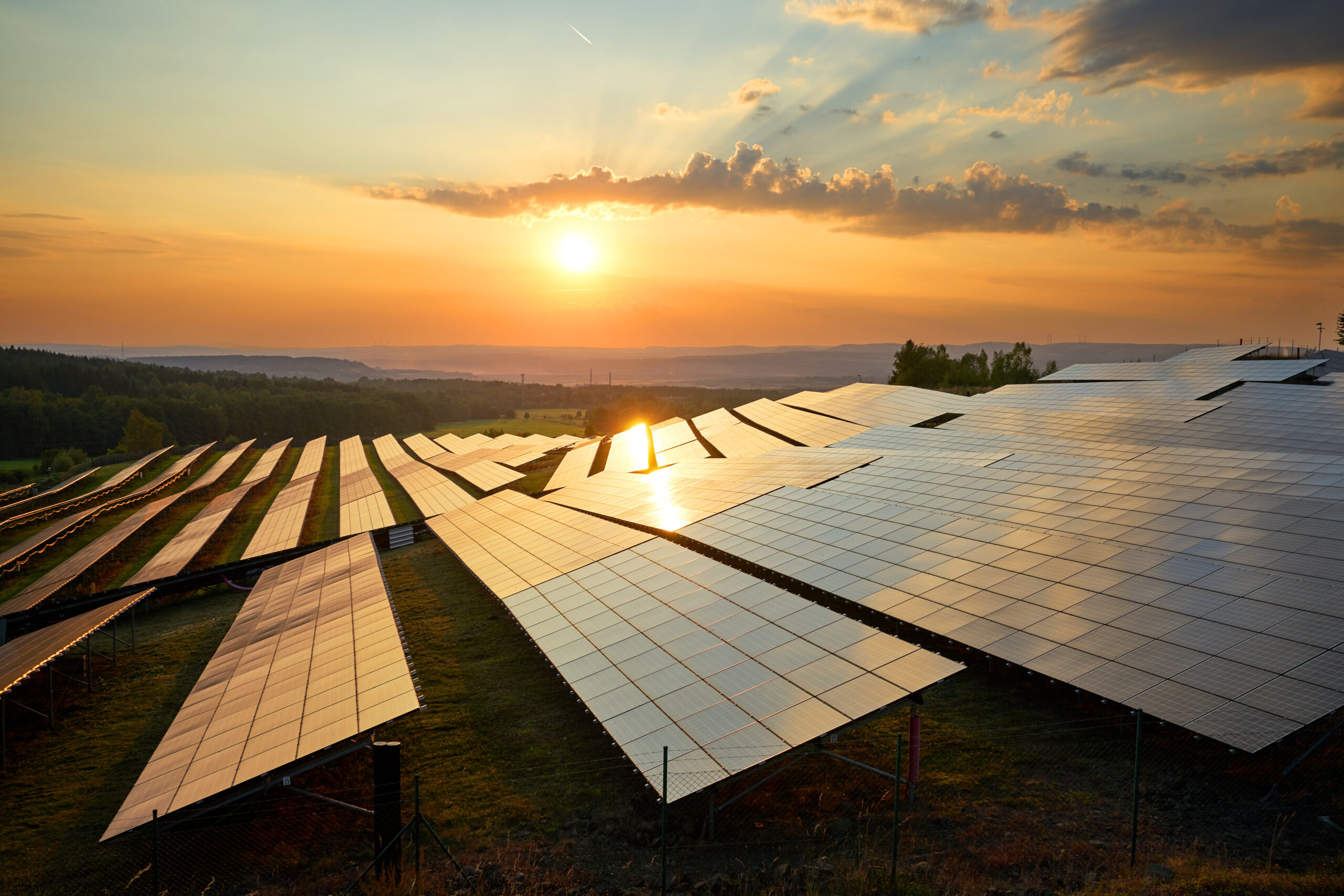
Local solar can change that equation - but only when utilities plan for it and recognize its full value. Solar on homes, businesses, and in communities, generates power closer to where it’s used, reducing the need for expensive infrastructure and lowering system-wide costs. And when solar is paired with storage and connected across neighborhoods it becomes even more powerful - delivering reliable, flexible, low-cost energy. Solar isn’t just clean energy, it’s one of the fastest, most effective ways to make energy more affordable.
Our Work on Affordability

Lower Costs
In Virginia, Vote Solar helped stop a proposal that would have cut rooftop solar savings by roughly 70%.

Data Center Accountability
In Illinois, the POWER Act would require data centers to cover 100% of their costs rather than shifting those costs onto households.

Guaranteed Bill Savings
In Michigan, Vote Solar helped secure 10% utility bill savings for community solar subscribers, and 20% for qualifying low-income households.
Policy Priorities
To unlock the full cost-saving potential of solar, we need policies that remove barriers, align incentives, and prioritize local solutions. Here's some of what we're working on:

Data Center Accountability
As demand surges from energy-intensive industries like data centers, communities should not be left paying the price through higher utility bills and costly grid upgrades. Data center accountability policies are one of the clearest solutions to the affordability crisis, requiring large new energy users to help fund the clean energy needed to serve their demand. By requiring data centers to bring their own clean energy — especially fast, scalable resources like solar paired with storage — states can ensure that rising demand is matched with new supply rather than shifting costs onto families and small businesses.

Local Solar in Utility Planning
Affordability starts in the planning room. Integrated Resource Plans (IRPs) decide which power plants get built and whether clean energy resources are fully valued alongside them, which costs get locked in for decades, and ultimately what customers pay. That makes IRPs the first accountability checkpoint. Utilities should be required to fully account for local solar and storage when planning future energy investments. When solar isn’t properly valued in planning, utilities overbuild expensive infrastructure—locking in higher costs for decades.

Community-Based Power Networks
These local networks, sometimes referred to as virtual power plants, are made up of solar, batteries, thermostats and other smart technologies already present throughout communities, working together to deliver power when it’s needed most. Solar is already on rooftops across the country. Connecting these systems into coordinated networks can reduce peak demand, avoid costly infrastructure, and lower bills—but outdated rules are holding this back.

Local Solar Compensation & Access
Affordable solar starts with fair rules. Compensation and access policies determine whether families and businesses can benefit from local solar — and whether the value of that clean energy is fairly recognized. Vote Solar works to protect and expand policies that make it easier for people to participate in local solar, ensure customers receive fair value for the energy they provide, and prevent outdated rules from limiting access to affordable, reliable energy.
Vote Solar in Action
ACC Votes to Lower Solar Export Rate, Undervaluing Solar and Failing to Support Arizona’s Growing Energy Needs
The Arizona Corporation Commission (ACC) voted today to decrease the solar export rate by 10%. Customers of Arizona Public Service (APS) and Unisource Energy Service (UNS) who install solar will now➤
News ArizonaMinnesota Regulators Put Community Power First, Taking a Significant Step Toward a Reliable, More Affordable Energy System
The Minnesota Public Utilities Commission (MPUC) accepted Xcel Energy’s Integrated Distribution Plan (IDP) during its deliberative meeting on July 30, contingent on the Company making certain compli➤
News MinnesotaNew Jersey Board of Public Utilities’ First Phase of Commissioned Study on Utility Reforms Identifies Key Solutions but Falls Short of Bold Action
The New Jersey Board of Public Utilities released the first phase of a commissioned study on potential pathways to modernize the state’s utility business model. Conducted by Energy and Environmental➤
News New Jersey